Mavuso Msimang – Patron
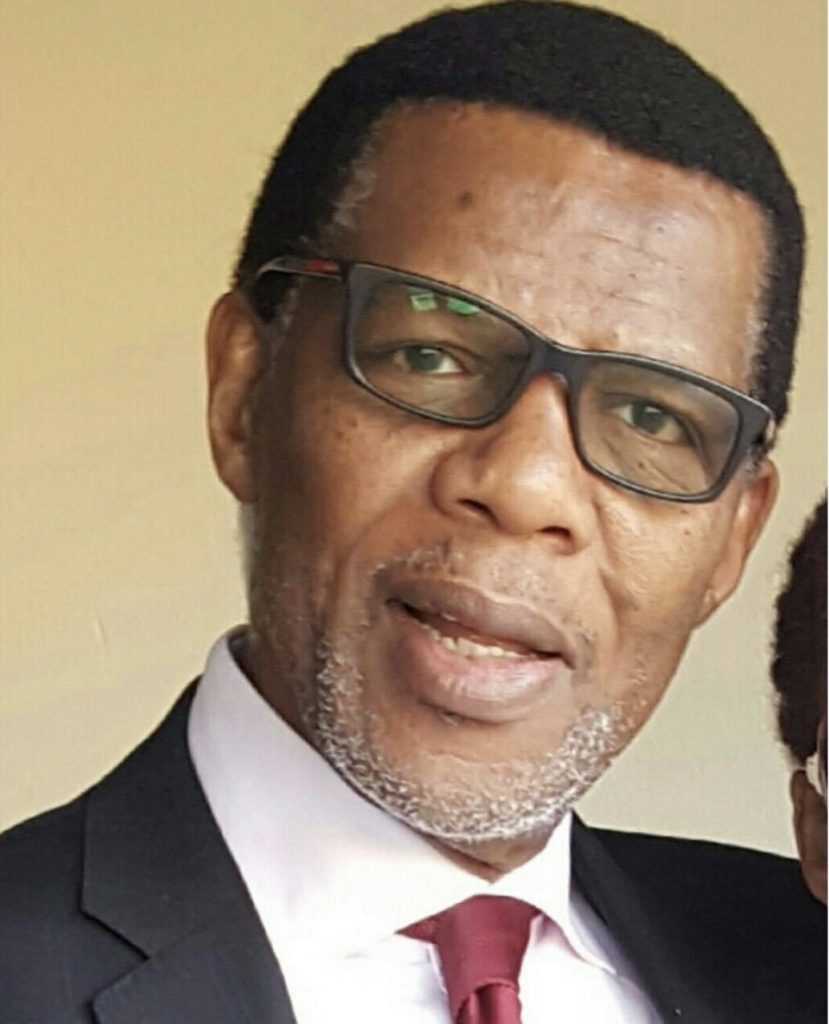
Mavuso Msimang is a distinguished South African leader with a rich background in both political activism and public service. Born in 1941 in Edendale, outside Pietermaritzburg, he grew up in a family deeply influenced by missionary values. During his early years, while living with his grandmother in Jobstown, he was unaware that his parents had divorced, a fact he only discovered upon returning to Edendale to begin high school. In 1960, Msimang matriculated from Inkamana High School, a Catholic institution in Vryheid.
Msimang’s academic journey took him to the University of Zambia, where he earned a Bachelor of Science degree in Entomology with a specialization in Biochemistry in 1976. He later pursued a Master of Business Administration (MBA) at the United States International University in California, which he completed in 1984 while residing in Kenya.
Politically, Msimang was an active member of the African National Congress (ANC) and served on the Military High Command of Umkhonto we Sizwe (MK), the ANC’s armed wing. In the 1960s, he was stationed at the ANC’s military base in Kongwa, Tanzania, and by 1967, he had risen to the position of Chief of Communications for MK. His work with the ANC, particularly through MK, was part of the broader struggle to overthrow the apartheid regime in South Africa.
In 1977, Msimang joined the United Nations, serving in various roles across Zambia, Kenya, and Ethiopia. His international experience extended to his work with the World University Service of Canada (WUSC), where he served as Head of Emergency Planning, and with CARE International as Country Director in both Kenya and Ethiopia. From 1991 to 1993, he worked as a Senior Project Officer for UNICEF in Ethiopia and Eritrea.
Msimang returned to South Africa in 1993, just before the country’s transition to democracy. Upon his return, he took on several leadership roles, including Executive Director of South African Tourism and later CEO of South African National Parks (SANParks) in 1997. During his tenure at SANParks, he oversaw significant transformations within the organization. Msimang also served as CEO of the State Information Technology Agency (SITA) from 2003 to 2007, and in 2007, he was appointed Director-General of the Department of Home Affairs, a position he held until his retirement in 2010.
Msimang’s contributions to conservation are equally notable. He was one of the founders of African Parks Network and continues to serve as an Emeritus Board Member. Additionally, he has been a member of the World Wildlife Fund (WWF) South Africa Board since 2011, where he chairs the Social Ethics and Transformation Committee and contributes to the Board’s Remuneration, Human Resources, and Nomination Committees.
In recent years, Msimang has been vocal about his concerns regarding factionalism within the ANC. Although he was a member of the ANC National Executive Committee (NEC), he chose not to stand for re-election at the party’s 55th National Conference in 2022. In July 2023, during the ANC Veterans’ League’s third national conference, Msimang was elected unopposed as Deputy President of the League. However, in December 2023, he resigned from the ANC, citing endemic corruption within the party and its detrimental effects on the nation, particularly on the poor. A week later, after discussions with ANC Secretary General Fikile Mbalula, Msimang withdrew his resignation.
Mavuso Msimang’s legacy is one of dedicated service to both the struggle for liberation in South Africa and the post-apartheid nation-building process. His influence extends across politics, conservation, and public administration, making him a respected figure in South Africa’s modern history.
———————————————————————————
The Board of Trustees
Joyce Moloi-Moropa
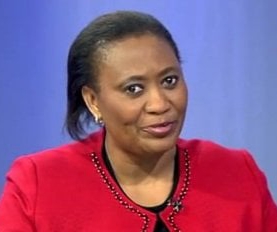
Joyce Moloi-Moropa is a distinguished South African leader, political activist, and corporate executive, deeply committed to advancing social and economic justice. She currently serves as the Treasurer General of the South African Communist Party (SACP), where she plays a pivotal role in ensuring the Party’s financial sustainability and independence. Her leadership is integral to maintaining the strength and autonomy of the SACP. In addition to her political role, Joyce is the Executive Chairperson of Masincazelane Investments (Pty) Ltd (MI), an organization dedicated to promoting economic development through investments and cooperative growth.
Raised in the Soweto township of Johannesburg, Joyce’s upbringing instilled in her a lifelong commitment to social justice, activism, and leadership. Her early experiences shaped her into a leader, activist, Marxist, and an organic intellectual, whose contributions have resonated both locally and internationally. With over 30 years of experience in leadership and executive management across the public, private, and political sectors, Joyce has been a key figure in shaping South Africa’s democratic landscape.
Throughout her career, Joyce has held numerous influential positions. She chaired the Portfolio Committee on Public Service Administration, where she played a critical role in transforming South Africa’s public sector from the apartheid era to a vision of a capable, democratic state. As Chairperson of the Portfolio Committee on Communications, she was instrumental in advancing the country’s digital migration and revolutionizing the ICT sector.
Her contributions extend to her service on several boards of state-owned enterprises, including the Mpumalanga Economic Empowerment Corporation (MEEC), Dora Tamana Co-operatives Agency (DTCA), National Institute for the Humanities and Social Sciences (NIHSS), and the Co-operatives University under the Department of Higher Education and Training.
Joyce’s political activism began early, with leadership roles in organizations such as the South African Students Congress (SASCO), the National Education Coordinating Committee (NECC), and the African National Congress (ANC). She served on the ANC’s National Executive Committee (NEC) from 2007 to 2017 and held a pivotal role as provincial coordinator of Limpopo’s 50th UNESCO Programme. Her involvement with the SACP spans decades, including serving on its Provincial Executive Committee in Limpopo (1997-1999), Central Committee (since 1997), and Politburo, where she currently holds the position of National Treasurer.
A staunch advocate for equality and the economic emancipation of the poor and marginalized, Joyce’s leadership has been defined by her relentless pursuit of freedom, justice, and transformation. Her journey from Soweto’s streets to the forefront of South African politics and business reflects her dedication to uplifting communities and fostering economic empowerment.
Joyce holds a Bachelor of Arts from the University of Limpopo, a BA Honours in Literary Studies, and a Postgraduate Diploma in Higher Education. Additionally, she has earned a Diploma in Office Administration and Business Communication. Her academic background complements her vast experience, making her a formidable leader in both political and corporate spheres.
Amb Sello Moloto
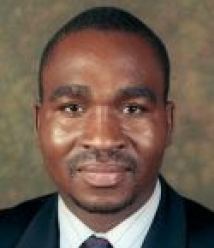
Sello Moloto is a seasoned South African politician and diplomat with a background in pharmacy and a long history of activism within the anti-apartheid movement. He began his political journey during his university years, serving as president of the local branch of the South African National Student Congress in 1989. During this time, Moloto was also involved in underground activities with the then-banned South African Communist Party (SACP), playing a key role in the resistance against apartheid.
In the early 1990s, while working as a pharmacist in the rural Northern Transvaal, Moloto became actively involved in rebuilding the SACP’s legal structures following its unbanning in 1990. He also joined the African National Congress (ANC) and served as the chairman of the ANC’s regional branch in Waterberg. His political involvement deepened, and in South Africa’s first democratic elections in 1994, he was elected to represent Limpopo Province (then Northern Transvaal) in the Senate of South Africa. He served in this role until 1996, after which he returned to Limpopo as the chief executive officer of the Bushveld District Council, transforming the previously conservative, predominantly white administration.
From 1999 to 2004, Moloto held the position of Member of the Executive Council (MEC) for Health and Welfare in Premier Ngoako Ramatlhodi’s administration. During this period, he also served as Provincial Chairperson of the South African Communist Party from 2001 to 2004. After the 2004 general election, he succeeded Ramatlhodi as Premier of Limpopo, a position he held until his resignation in 2009. Moloto also served as the ANC Provincial Chairperson from 2005 to 2008.
In 2009, Moloto made a significant political shift by joining the Congress of the People (COPE) and ran as the party’s candidate for Premier of Limpopo in the 2009 general election. Although he did not win the premiership, he became the Leader of the Opposition in the Limpopo Provincial Legislature. He continued in this role until 2011, when he resigned from COPE to accept a diplomatic appointment.
Moloto has since had an extensive diplomatic career, serving as South Africa’s Ambassador to Mozambique, Finland, and Switzerland, as well as High Commissioner to Lesotho. His experience in both the political and diplomatic spheres has made him a respected figure in South Africa’s political landscape.
Moloto has since had an extensive diplomatic career, serving as South Africa’s Ambassador to Mozambique, Finland, and Switzerland, as well as High Commissioner to Lesotho. His experience in both the political and diplomatic spheres has made him a respected figure in South Africa’s political landscape.
________________
Amb Saad Cachalia
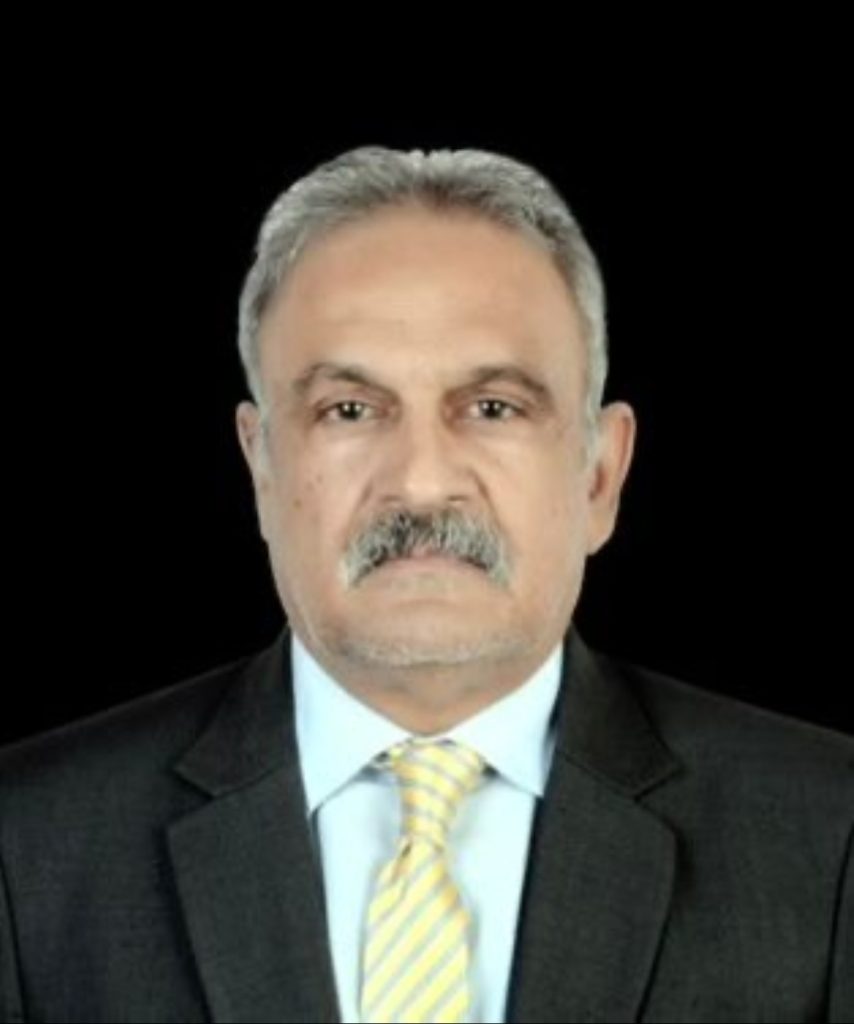
Amb Saa’d Cachalia is a South African lawyer, politician, and diplomat whose career has spanned decades of public service. During apartheid, he practiced law, navigating a legal system designed to suppress justice and human rights. His commitment to fairness and governance found a new platform in 1994 when South Africa held its first democratic elections. That year, he was elected as a member of the Limpopo Provincial Legislature under the banner of the African National Congress (ANC), marking the beginning of an 18-year tenure in provincial politics.
Over the years, Cachalia established himself as a key figure in Limpopo’s administration. In November 2006, he was appointed by Premier Sello Moloto as the province’s MEC for Treasury. His tenure in this role saw him overseeing financial management and ensuring the responsible allocation of resources. When Cassel Mathale became Premier after the 2009 elections, Cachalia was retained in the position, a testament to his reputation for financial discipline and governance. However, his insistence on upholding fiscal integrity soon placed him at odds with the political establishment – he was removed from the position in January 2011. Reports at the time suggested that Cachalia, along with his head of department, Rob Tooley, had resisted political pressure to fund projects they deemed frivolous. His principled stance ultimately cost him his position in the provincial executive, but it reinforced his reputation as a politician unwilling to compromise on financial accountability.
Following his departure from provincial politics in 2012, Cachalia transitioned into diplomacy. He undertook diplomatic training in Pretoria, and later that year, President Jacob Zuma appointed him as South Africa’s Ambassador to Qatar. For four years, he represented South Africa in the Gulf state, working to strengthen bilateral ties and promote economic and political cooperation. In late 2016, his tenure in Qatar came to an end, but his diplomatic career continued. He was subsequently appointed as South Africa’s Ambassador to the United Arab Emirates (UAE), where he remained in service as of 2022. He is now serving as South Africa’s High Commissioner to the Republic of Zambia.
Throughout his career, whether in law, politics, or diplomacy, Amb Cachalia has demonstrated an unwavering commitment to integrity and governance. His years in public office were marked by a dedication to fiscal responsibility, and his diplomatic postings allowed him to further South Africa’s interests on the global stage. His journey reflects the evolution of a principled public servant, shaped by the shifting tides of South Africa’s political landscape.
Jack Lesiba Matlala – Board Secretary
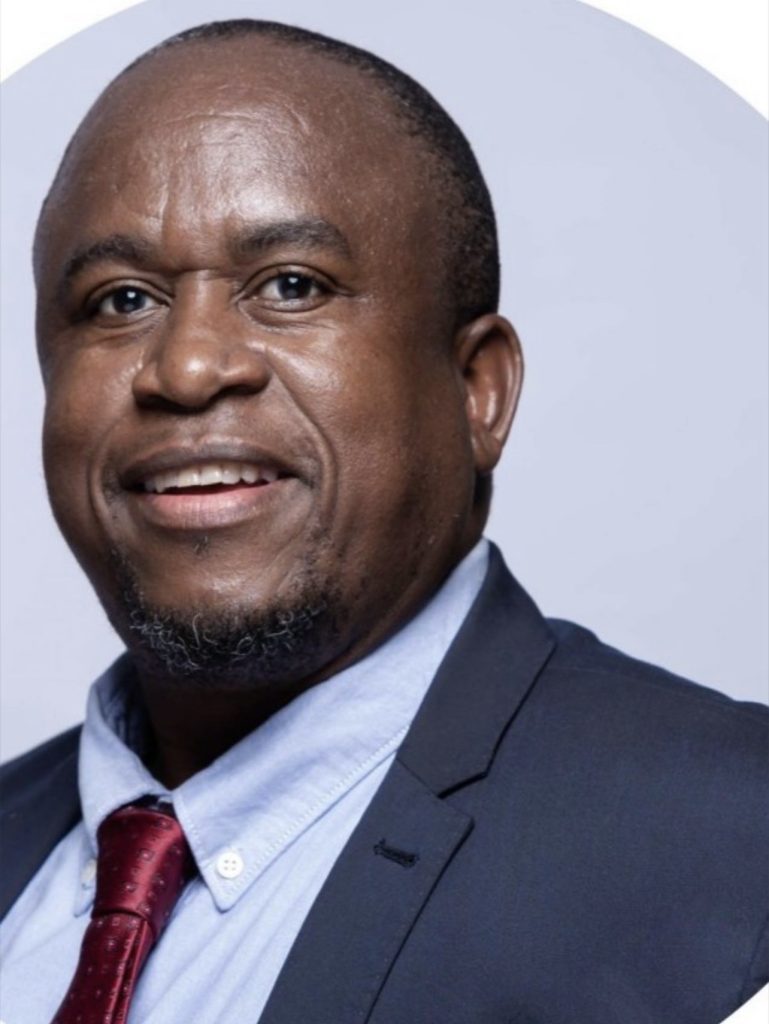
Jack Lesiba Matlala is a seasoned public servant and political figure, who has dedicated much of his career to serving the people of Limpopo and South Africa at large. He served two terms as a member of the Limpopo Legislature, where he became known for his leadership and commitment to public accountability. During his tenure, Matlala held the position of Deputy Chief Whip for the African National Congress (ANC) and briefly chaired the Standing Committee on Public Accounts (SCOPA) from 2013 to 2014. His role in SCOPA highlighted his dedication to transparency and fiscal responsibility within government operations.
Matlala has also been a prominent figure within the South African Communist Party (SACP) in Limpopo, where he served as Provincial Deputy Secretary. His leadership within the SACP further solidified his reputation as a committed activist with deep ties to the province’s political landscape.
Before being elected to the Limpopo Legislature, Matlala worked in various capacities that shaped his understanding of public service and social issues. He began his career as a Child Care Worker, where he developed a strong sense of empathy and dedication to the welfare of others. He later served as Executive Assistant to the MEC of Sport, Arts, and Culture, where he gained valuable experience in government operations. His passion for community safety and justice led him to the position of Deputy Director of Crime Prevention in the former Department of Safety, Security, and Liaison, where he worked on initiatives aimed at reducing crime and improving public safety.
In terms of academic qualifications, Matlala holds a Diploma in Leadership and Management from the University of Limpopo, an Advanced Certificate in Leadership and Governance, and a Postgraduate Diploma in Management from the University of Witwatersrand. These qualifications have provided him with the theoretical and practical knowledge necessary for effective leadership in both political and administrative roles.
Though he no longer serves in the provincial legislature, Matlala has remained active in public service. In recent years, he has taken on the role of Director of Parliamentary Liaison and Research, working within the Office of the Minister of Public Service and Administration. He has also served the Ministry of Women, Children, Youth, and Persons with Disabilities in the Presidency. Through these roles, Matlala continues to contribute to the development and implementation of policies that address critical social issues and enhance governance in South Africa.
Jack Matlala’s career is a testament to his enduring commitment to public service, social justice, and effective governance. His contributions, both within the Limpopo Legislature and in his current roles, reflect his unwavering dedication to improving the lives of South Africans.
Lehoho Alfred Rachidi – Chairperson
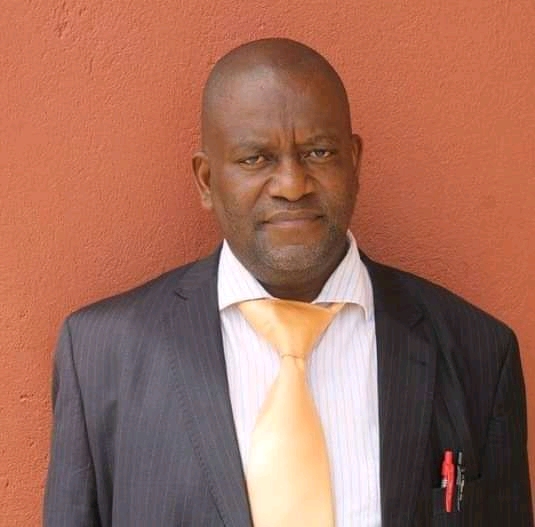
Lehoho Alfred Rachidi is a dedicated leader and community advocate with over two decades of experience in local government and political activism. Since 2019, he has served as the Chairperson of the Lawrence Madimetja Phokanoka Foundation, where his leadership and commitment to community development have been instrumental in driving impactful initiatives.
Rachidi’s journey into leadership began with his involvement in student and youth movements. He first gained political experience through organizations such as the Congress of South African Students (COSAS), the South African Students Congress (SASCO), and the ANC Youth League. His passion for political activism led him to serve as the Deputy Secretary of the South African Communist Party (SACP) in the Sekhukhune District from 2007 to 2009, after previously holding the position of Chairperson of the ANC Nchabeleng Branch.
Though he initially started his career as a teacher, Rachidi soon found his calling in local government, where he has built a long and distinguished career. His blend of political activism and a deep commitment to community upliftment saw him appointed as one of the first Deputy Managers of the Community Development Work (CDW) programme in Sekhukhune, a role that marked the beginning of his extensive contribution to local governance.
Rachidi’s leadership capabilities have been further demonstrated in his various senior managerial roles within Fetakgomo-Tubatse Local Municipality. He served as Manager in the Mayor’s Office, Manager for Parks and Recreation, and later as Communications Manager. His ability to manage complex community initiatives and drive development has earned him widespread respect within the region.
Since 2022, Rachidi has held the position of Regional Manager at Fetakgomo-Tubatse Local Municipality, overseeing operations in Apel. His wealth of experience in public service is complemented by his strong academic background. He holds a Senior Teacher’s Diploma from Sekhukhune College of Education, a BTech degree in Project Management from the Central University of Technology, and a Postgraduate Diploma in Project Management from MANCOSA. He is also currently pursuing a Master’s degree in Town and Regional Planning, reflecting his commitment to continuous learning and professional growth.
Alfred Rachidi’s career is a testament to his passion for service, his dedication to political activism, and his unwavering commitment to community development. Through his leadership roles and contributions to local government, he continues to make a lasting impact on the communities he serves.
Dr Shela Polly Boshielo (PhD)
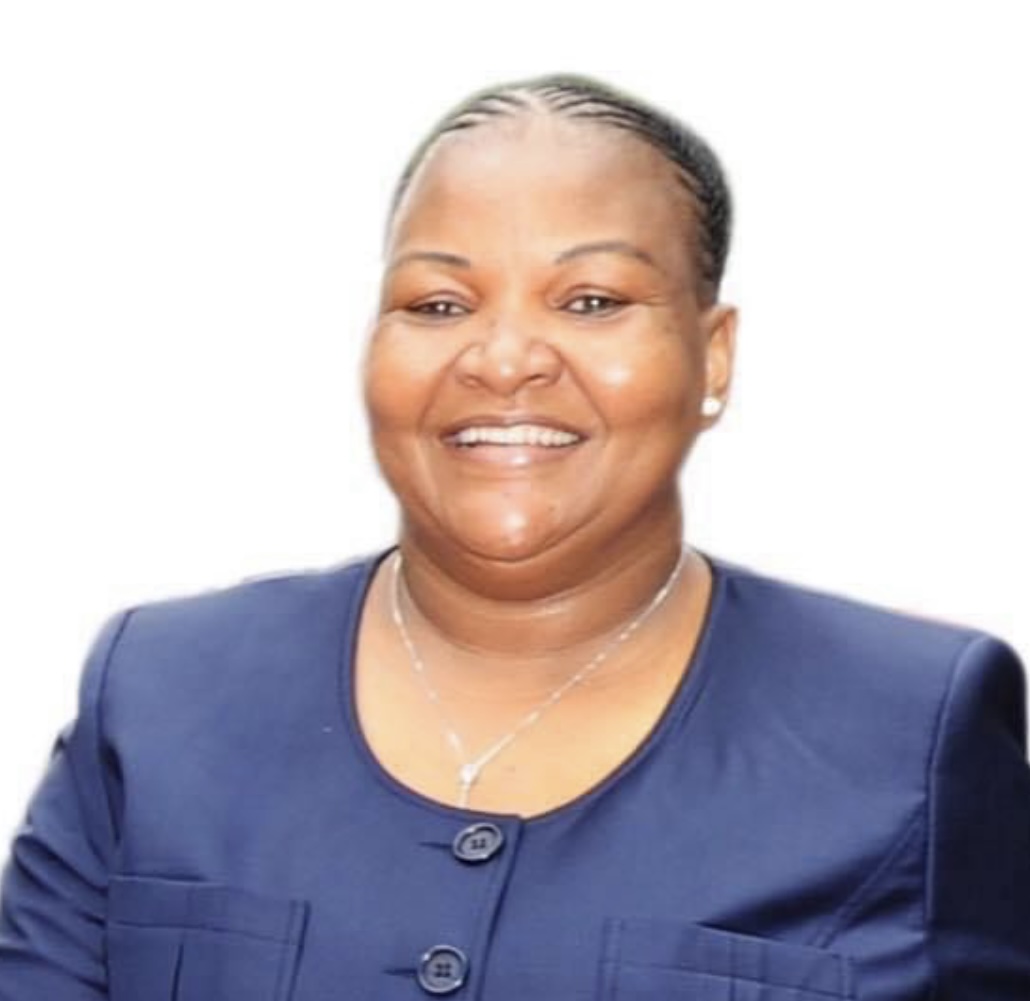
Dr Shela Polly Boshielo is an influential political leader with an extensive career in both public service and political activism. Currently, she serves as the Chairperson of the Portfolio Committee on the Quality of Life, Youth, Women, and Persons with Disabilities in the Limpopo Legislature. Hailing from Seshego township, Boshielo’s journey in political activism began in the late 1980s, where she first became involved in youth politics. Over the years, her commitment to service and leadership has propelled her to key roles within the African National Congress (ANC) and the South African Communist Party (SACP).
Boshielo is a member of the ANC National Executive Committee (NEC), where she chairs the Peace and Stability Sub-Committee. Her extensive political career includes serving the ANC at both regional and provincial levels. Within the SACP, she holds a central committee position and previously served as Limpopo Provincial Treasurer. Her roles in both organizations reflect her deep commitment to promoting social justice and stability in South Africa.
In addition to her political work, Polly Boshielo has held several senior managerial positions in the public service, bringing valuable experience to her current leadership role in the Lawrence Madimetja Phokanoka Foundation. Her career includes serving as Head of Office for the MECs of Education, Roads and Transport, and Agriculture in Limpopo. She also held key positions as General Manager for Public, Freight, and Air Transport in the Limpopo Department of Transport, Business Executive at Autopax, and General Manager for Regional Planning and Special Projects at PRASA.
Boshielo’s contributions to governance extend to her previous roles as a Member of Parliament, Provincial Speaker of the Limpopo Legislature, and MEC for both the Department of Education and the Department of Transport and Community Safety. These diverse positions have cemented her reputation as a leader dedicated to improving public services and community safety.
Academically, Polly Boshielo holds a Bachelor of Commerce (BCom) degree from the University of South Africa (UNISA), a Master’s degree in Business Administration (MBA) from Turfloop Business School, and a Master of Philosophy (MPhil) in Transport Studies from the University of Cape Town. Her commitment to lifelong learning continues as she pursues a Doctorate in Administration at the University of Limpopo.
Polly Boshielo’s career is marked by her dedication to youth empowerment, social justice, and the advancement of women and marginalized communities. Her leadership in both political and public service arenas continues to make a lasting impact on South Africa’s development.
Saul Molobi
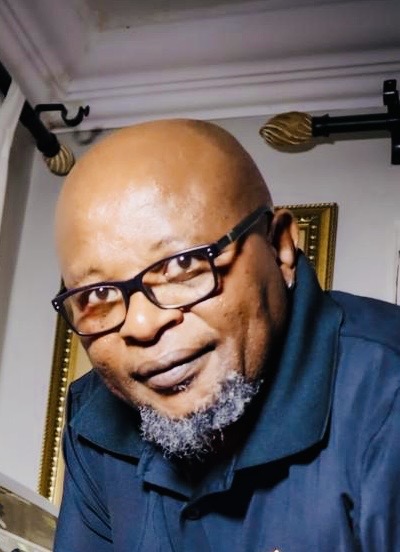
Saul Molobi is a former South African Consul-General to Milan (2012-2016) and a renowned global expert in brand Africa, diplomacy, leadership and cultural industries. As an award-winning speaker, author, broadcaster and marketing consultant, he specialises in global marketing, economic diplomacy and nation branding.
Molobi has been recognised as a Fellow of the UK’s Chartered Institute of Marketing (CIM) for five consecutive years and is affiliated with several marketing organisations. In 2024 he was recognised with the Mission Africa Award for his efforts in rewriting the narrative on Africa. In 2022, he ranked 16th globally in the “World CEO of the Year” awards (he was ranked the second-highest-ranked in Africa). He is also a board member of international institutions such as the Molefi Sefularo Foundation and the South African Literary Awards (SALA).
Academically, he holds multiple degrees, including an MSc in Global Marketing from Liverpool and an MA in Dramatic Art from the University of the Witwatersrand. He has held senior leadership roles in various sectors, including public service, publishing, investment and public diplomacy.
Molobi is an accomplished writer and publisher with several books under his belt: Deconstructing Brand Authenticity: Crafting an Honest Narrative for Brand Africa’s Global Ascent (with the Foreword written by Cuthbert Ncube, Executive Chairman of the African Tourism Board); “Rhythms in Black and White: A Virtual Journey Through the World of Jazz”; “Chocolate Kisses: Sweet Verses in the Dance of Romance”; his De/constructing Brand Africa: A Practitioner’s Perspective (with the Foreword written by Wamkele Mene, SG: AfCFTA); and “Sound and Fury: The Chronicles of Healing” (with the Foreword written by Kgalema Motlanthe, former president of South Africa). He also hosts a three-hour jazz programme on 101.9 Chai FM and promotes African brands through his two platforms: Jambo Africa Online and the Biashara Services and Product Africa (BiSPA) Conference and Exhibition.
_____
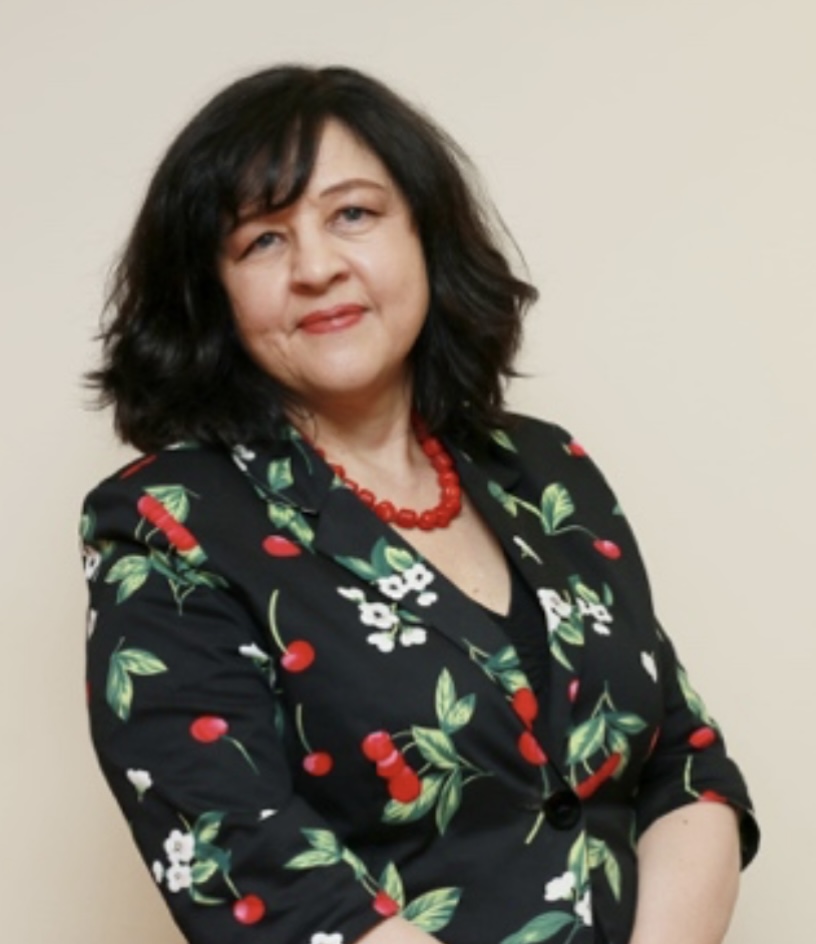
Dr Annette Griessel (PhD)
Dr Griessel has decades of experience as a political and social justice activist in organisations of women, youth, students and trade unions since the 1970s. She has served at a senior level in various capacities in the democratic government since 1998 and has a PhD in programme theory.
Her activism started in the late 1970s at the University of Cape Town. She was a volunteer health worker in informal settlements and was elected to various positions in progressive student organisations. She was elected President of the Science Students Council and active in the SRC Projects Committee and Education Commission. In 1979, she was elected as Internal Vice President of the SRC and head of the SRC Wages Commission and Communities Commission, which were instrumental in mobilising student support for workers and communities. She represented students on various community-based student and anti-apartheid political campaign committees, working closely with emerging mass-based organisations such as the Congress of South African Students (COSAS) and mobilising support for the 1980 schools boycotts.
She was a founder member of the United Women’s Organisation (UWO), a non-racial, anti-apartheid, mass-based women’s organisation which brought together stalwarts and activists from the then-banned African National Congress (ANC) together with women activists from community organisations, trade unions and the student and youth sectors.
In 1981, she was elected to the executive of the National Union of South African Students (NUSAS) as media officer and the following year as President of the South African Press Union (SASPU). In these capacities she continued to contribute to and lead students in the critical anti-apartheid campaigns of the mass democratic movement (MDM), including campaigns and mass action against the Tricameral Parliament and the Black Local Authorities Act, consumer boycotts in support of workers strikes and the Free Mandela and anti-Republic campaigns. This mass resistance against the apartheid system led to the formation of the United Democratic Front (UDF) in 1983, in which she was actively involved.
Dr Griessel played a key role in the progressive press, particularly Saspu National, where she was appointed as co-editor in 1985. Despite bannings and repression, the newspaper helped play an organising role and served as a mouthpiece for progressive mass-based organisations in the UDF and its affiliates, including COSAS, civics, democratic trade unions and the emerging organised youth formations. During this time, activists, including the Saspu team, were forced to work underground whilst continuing to spread the messages of the democratic movement. Despite her detention, Dr Griessel continued her work once she was released.
Dr Griessel was a founder member of the South African Youth Congress (SAYCO) at its underground launch in Cape Town in 1987, at the height of the State of Emergency and widespread repression. That same year, Dr Griessel attended the Culture in Another South Africa (CASA) conference in Amsterdam, where she and other MDM activists were able to interact with ANC activists and were addressed by OR Tambo. She subsequently undertook underground training with the ANC in London. On her return in 1988, she joined the New Nation newspaper as chief sub-editor, while at the same time continuing with her political work and strengthening the youth movement. She was a founder member of the Johannesburg Youth Congress (Joyco), an affiliate of SAYCO and elected to its executive.
By 1990, the ANC was unbanned and Dr Griessel was instrumental in establishing the first Hillbrow-Berea branch of the organisation, serving as its secretary and participating in provincial meetings and the national conference in that capacity. The following year, she was appointed as media officer of the ANC Youth League, producing its publications and assisting with ANC publications such as Mayibuye. She continued to play an important role in the life of the ANC, including at a branch level, and providing support in communications and policy at a national level, including at various national conferences.
After working as a freelance media consultant for a few years, in 1995, Dr Griessel was appointed as editor of The Shopsteward, the official publication of the Congress of South African Trade Unions (COSATU). At the same time, she served as the Director of the Print Media Unit of the Centre for Democratic Communications (CDC), established by the Alliance, and played a key role in providing media services to the trade union movement and fraternal organisations.
While the democratic movement continued to play a key role, by 1998, Dr Griessel was recruited to join the new democratic government, where she served as Head of Communications in the Department of Labour. She subsequently moved to the Office of the Premier in Gauteng, where she lead the provincial government’s communication strategy and programme, including a strong focus on sustained and direct interaction with the citizenry to address their concerns.
Having gained indepth knowledge of public policy and analysis, by 2008, Dr Griessel was appointed as Deputy Director General (DDG) of Policy and Governance in the Office of the Premier. In this capacity, she was responsible for a wide variety of functions, including strategy and policy development; strategic planning, monitoring and evaluation; cabinet systems; international and inter-governmental relations; promoting the rights of women, youth and persons with disabilities and the establishment of the Gauteng Planning Commission. By 2011, she was appointed as DDG for provincial strategic planning, monitoring and evaluation and played a key role in positioning Gauteng as a leading province and city region in the country, placing the needs of the citizenry and development at the centre of the government agenda.
Dr Griessel subsequently, in 2017, moved to national government, focusing on policy, planning, monitoring and evaluation. She served for three years as a DDG in the Department of Women and four years in the Department of Planning, Monitoring and Evaluation. In both capacities she has provided strong strategic and technical leadership to government departments across spheres of government, in an effort to ensure that government as a whole delivers on its mandate and commitments to the country’s people as articulated in the Constitution and documents such as the Freedom Charter and the RDP.
In terms of Dr Griessel’s academic record, she has a Bachelor of Science in Physiology and Genetics and a Bachelor of Arts in South African Economic History and Comparative African Government and Law, both from the University of Cape Town. At Wits University, she also completed a Post-Graduate Diploma and Master of Management in Management (Public and Development Sector Monitoring and Evaluation). She went on to complete a PhD in the Wits Faculty of Law and Management, focusing on programme theory and practice towards improving the performance of public programmes in achieving the country’s development goals.
Dr Griessel has made presentations and delivered papers at numerous conferences and workshops, including at an international level. She has also represented South Africa at conferences and engagements at a United Nations, African Union and SADC level.
Dr Ntsile Piet Kgaphole
Born in Kempton Park, Dr Kgaphole began his academic journey at Mankopane Primary School before advancing to Ngwana Mohube Secondary School for pre-matric studies. He completed his matriculation at Setotolwane High School, demonstrating a strong academic foundation that led him to pursue a career in medicine. He enrolled at the University of Natal to study medicine, marking the beginning of his journey in healthcare.
After completing his medical studies, Dr Kgaphole began his career at the Department of Health in Lebowa, gaining valuable experience in public healthcare administration. In 1984, he transitioned into private practice, establishing himself as a trusted medical professional in Motetema, Groblersdal. His dedication to community healthcare extended beyond private practice, as he also served as a District Surgeon.
In 2003, he joined the Limpopo Department of Health as a Chief Director, where he played a key role in shaping health policies and improving service delivery. His leadership and expertise earned him an acting role as Deputy Director General for Health Services from 2011 to 2013. Recognising his capabilities, the department appointed him as Head of Department (HOD) from 2013 to 2018, where he oversaw the province’s healthcare system, driving critical reforms and innovations.
Beyond his professional contributions to healthcare, Dr Kgaphole was deeply engaged in socio-political activism. He was a member of the United Democratic Front (UDF) in the Northern Region and an active participant in the National Medical and Dental Association (NAMDA), advocating for equitable healthcare access. As part of the Medical Review Team for Political Returnees, he provided medical assessments and support to individuals returning from exile during South Africa’s transition to democracy.
His commitment to justice and social change extended to the Release Mandela Campaign, a pivotal movement in the struggle against apartheid. Additionally, he was a member of the Strategic Management Team (SMT), which brought together expertise from five previous administrations in the province to enhance governance and service delivery.
Dr Kgaphole‘s career reflects a lifelong dedication to healthcare excellence and social justice. His leadership in the Limpopo Department of Health, combined with his activism in the fight for democracy, has left a lasting impact on both the medical and political landscape of South Africa. His work continues to inspire healthcare professionals and leaders committed to building a more equitable healthcare system.
Leshabe Rampedi
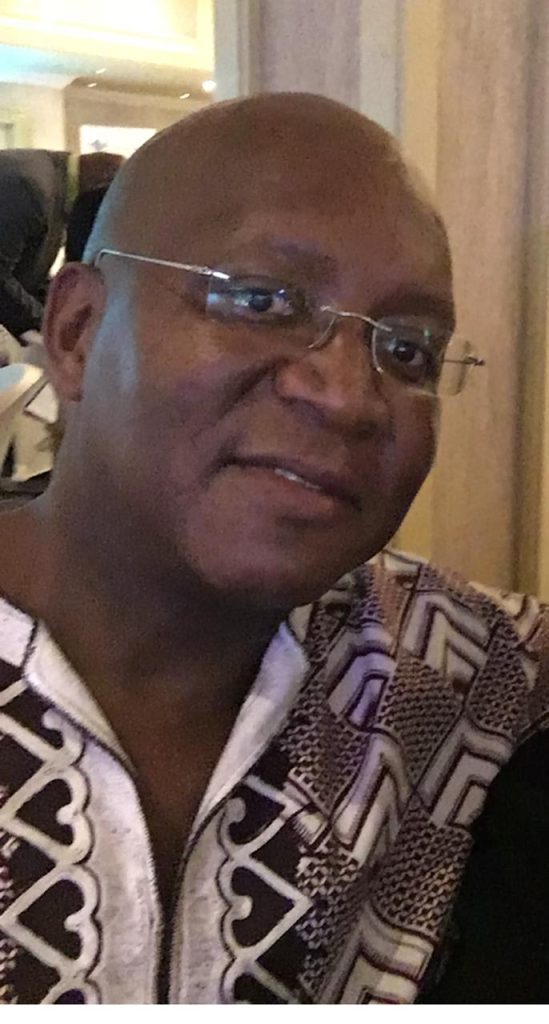
Leshabe Rampedi is a distinguished professional with over 25 years of experience spanning the public and private sectors. His career has been defined by his expertise in governance, policy development, and economic strategy. He holds a B.Compt (Accounting) from the University of the Western Cape and a Master’s in Development Studies from the University of the North. His academic credentials also include advanced taxation studies at the University of Pretoria and executive programs at Harvard University, where he specialized in infrastructure partnerships for local economic development, making markets work, and strategic leadership. His commitment to lifelong learning has seen him participate in global training and study tours across China, Malaysia, Singapore, Germany, the Netherlands, Canada, Ireland, the UK, the USA, and India, broadening his global perspective on economic development and governance.
His public service career has been marked by significant contributions to governance and strategic planning at various levels of government. He has served as Deputy Director-General (DDG) for Strategy and Policy in the Office of the Premier, Municipal Manager, and Head of Department (HOD) for Local Government and Housing. His tenure in government has been instrumental in shaping public policy, implementing large-scale transformation initiatives, and driving economic development strategies. A key milestone in his career was his involvement in the establishment of the Limpopo Provincial Administration in 1994, merging former homeland administrations into a unified governance structure. In 1998, he led the drafting of Limpopo’s first Growth and Development Strategy, which played a pivotal role in shaping the province’s economic trajectory. His leadership was further demonstrated in 2005 when he coordinated the Premier Advisory Team on Supply Chain Reform for Limpopo Province.
Beyond policy formulation, Leshabe has played a critical role in municipal capacity-building. He led Project Consolidate in 2005, supporting 14 municipalities in Limpopo, and was part of the National Coordinating Team. His expertise in human settlements policy and implementation was evident in projects such as the National Department of Human Settlement Interventions across multiple provinces, including the Eastern Cape, Gauteng, and Ekurhuleni Metropolitan Municipality. His tenure as a member of the Municipal Accreditation Panel saw him provide strategic support to South Africa’s top 30 municipalities, including all metros.
His contributions to governance and advisory roles extend to academia and corporate governance. He has served as a member of the University of Limpopo (North) Council, the Limpopo Tender Board, and the MBA Advisory Committee at the University of Limpopo. His financial acumen was evident in his two-term tenure as Chairperson of the Finance Committee at the Lepelle Water Board, where he also contributed as a member of the Audit Committee.
In addition to his public sector contributions, Leshabe has successfully established and managed companies across multiple industries, including business consulting, engineering, project management, retail, and property development. Under his leadership, these companies have developed robust management structures and investment portfolios, reinforcing his ability to drive business success.
His track record includes leading major policy, infrastructure, and economic development projects. He successfully led National Human Settlement Interventions in key municipalities, driving transformation in urban housing and infrastructure. He played a key role in the Policy and Legislative Review Task Team (POLERT) for the National Department of Human Settlements over four years and contributed to the development of housing strategies and procurement plans, including the Rent-to-Buy Policy, informal settlement databases, and the Rental Housing Strategy for Gauteng Province. He also initiated the Waterberg Economic Development Agency, overseeing its incorporation, board constitution, strategic planning, and operationalisation. His expertise in facilitating strategic planning has benefited private sector organizations, state-owned entities, and various government institutions.
Leshabe’s career is defined by his ability to bridge the gap between public governance and private enterprise, creating impactful strategies that drive sustainable development. With extensive experience in policy formulation, economic development, business leadership, and governance, he continues to play a key role in shaping South Africa’s socio-economic landscape.
Dr Philemon Mphathi Mjwara (PhD)
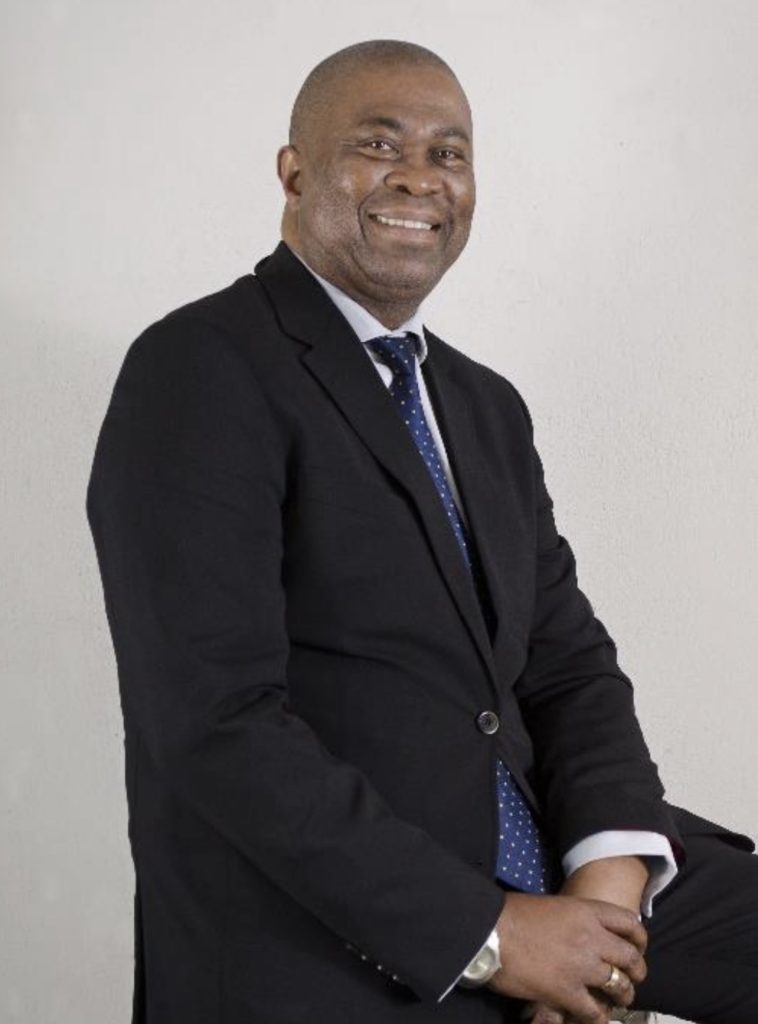
Dr Philemon Mphathi Mjwara is one of South Africa’s most respected science and technology leaders, whose career reflects an unwavering commitment to national development, innovation, and global scientific advancement. Born on 9 April 1958, Dr Mjwara’s academic journey began at St Augustine’s High School and led him through Fort Hare University, where he obtained both his BSc (Hons) and MSc, and later to the University of the Witwatersrand, where he earned a PhD in Physics in 1995. Over the years, he developed deep expertise in Brillouin scattering, superionic compounds, and high-temperature materials, publishing numerous academic papers in esteemed international journals.
From 2006 to 2024, Dr Mjwara served as the Director-General of the Department of Science and Innovation (formerly the Department of Science and Technology), playing a transformative role in the restructuring of South Africa’s national science and innovation systems. In this position, he was responsible for shaping and implementing all major national science and technology policies, overseeing the governance of public science institutions and laboratories, and managing South Africa’s international science cooperation efforts. He led the implementation of the National Research and Development Strategy and the 10-Year Innovation Plan, and in his final years in office, spearheaded the development of the White Paper on Science, Technology and Innovation, alongside the Decadal Plan (2021–2031), both of which chart a visionary course for inclusive and sustainable innovation in South Africa.
Earlier in his career, Dr Mjwara held several academic posts at institutions such as the University of Fort Hare, the University of South Africa, the University of the Witwatersrand, and the University of Pretoria, where he served as Professor of Science and Technology Policy. His intellectual leadership was evident in the successful coordination of South Africa’s first National Technology Foresight Project, a major national initiative which was later shared with audiences in Japan, Austria, Finland, and the United States, due to its groundbreaking methodology. He also served as Director of Technology at the then Department of Arts, Culture, Science and Technology, contributing to the post-apartheid reorientation of science policy.
Dr Mjwara’s strategic leadership was perhaps most evident during his time as the founding Director of the National Laser Centre (NLC), which he led from 2001 to 2005. Under his direction, the NLC was transformed into a thriving R28 million organisation and ultimately incorporated into the Council for Scientific and Industrial Research (CSIR). There, he also established the African Laser Centre, a pioneering Pan-African network of laser research institutions. This achievement highlighted his passion for building science infrastructure not just nationally, but across the continent. As Group Executive for Research and Development and Strategic Human Capital at the CSIR, he was instrumental in reshaping the institution’s internal capabilities and securing a stronger return on public investment.
A thought leader and consensus builder, Dr Mjwara has served on numerous boards and advisory councils, including the University of Johannesburg Council, the World of Platinum of South Africa Board, the Square Kilometre Array (SKA) Council, and the UNESCO Basic Sciences Board. He co-chaired the Economic Sectors, Employment and Infrastructure Development Cluster within the South African government and led interdepartmental processes such as the Nine-Point Plan to reignite the national economy. His diplomatic prowess was also evident in his role as chair of the Group on Earth Observation (GEO), where he coordinated Africa’s engagement with Earth observation science for policy development.
His immense contribution to the scientific community and national development has earned him numerous accolades, the most recent of which is an Honorary Doctor of Philosophy awarded in 2025 by the University of Stellenbosch. This honour underscores the depth of his intellectual contributions, visionary leadership, and nation-building impact.
In December 2024, Dr Mjwara was appointed by the President of the Republic as South Africa’s first full-time Ambassador to UNESCO, a role in which he continues to advance the country’s interests in science, education, culture, and innovation on the global stage. Fluent in English and Zulu, and with working knowledge of Afrikaans, Dr Mjwara exemplifies the power of intellectual excellence in service of a broader public good. His legacy is firmly embedded in the institutions he helped build, the policies he shaped, and the generations of scientists and innovators he continues to inspire.
Mokgampe Esther Lentsoane
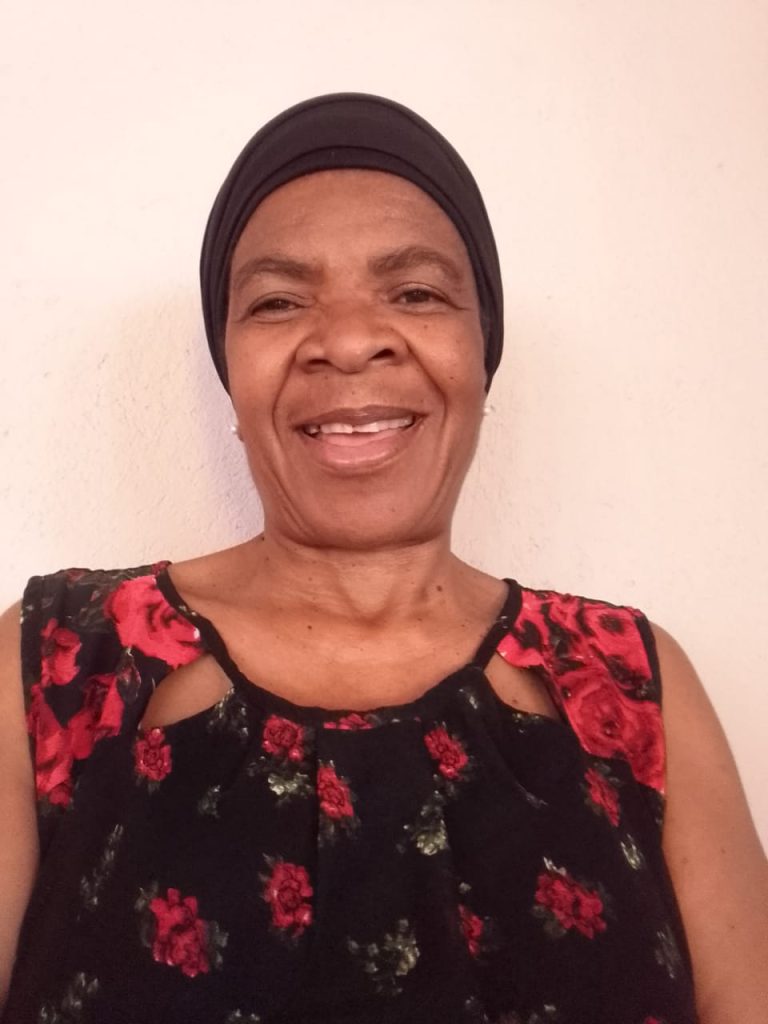
Mokgampe Esther Lentsoane is a seasoned public servant, community leader, and political activist whose life journey reflects a deep commitment to grassroots development, workers’ rights, and democratic governance in South Africa. Born on 15 December 1959 in Limpopo, she has dedicated her career to public service, institutional leadership, and community empowerment, particularly within the Sekhukhune region.
Ms Lentsoane completed her secondary education in 1978 and further enhanced her professional capacity with a Diploma in State Finance and Auditing. This academic foundation positioned her for a long and impactful career in government administration. She began her professional journey in 1980 as an Administrative Clerk in the Department of Agriculture, where she served diligently for nearly two decades until 1998. During this period, she gained extensive experience in public administration, financial systems, and institutional processes—skills that would later inform her leadership roles in local government.
Her transition into political leadership was marked by her election as a Proportional Representation (PR) Councillor in the Makhuduthamaga Local Municipality, where she served from 2006 to 2011. In this capacity, she was a member of the Executive Committee and held the strategic position of Chairperson of the Local Economic Development (LED) Portfolio. Her tenure was characterised by a strong focus on community upliftment, economic inclusion, and the advancement of development initiatives aimed at improving livelihoods in rural communities.
Beyond formal employment, Ms Lentsoane has a rich history of activism and community involvement that dates back to the early 1980s. She was a member of the Azanian People’s Organisation (AZAPO) during a critical period in South Africa’s liberation struggle, demonstrating her early commitment to social justice and political consciousness. Her leadership trajectory continued within the labour movement, where she played pivotal roles in advancing workers’ rights and organisational development. She served as Chairperson of the Northern Transvaal Public Servants Union (NOTRAPSU) in Sekhukhune from 1987 to 1990, and subsequently as Chairperson of the National Education, Health and Allied Workers’ Union (NEHAWU) in the same region from 1988 to 1992. She later held the position of Secretary of the NEHAWU Pietersburg branch from 1996 to 1998, further consolidating her influence within the labour movement.
Her political involvement has remained consistent and impactful. Ms Lentsoane is a committed member of the African National Congress (ANC) and the ANC Women’s League (ANCWL), where she continues to contribute at a strategic level. She currently serves as a member of the Provincial Executive Committee (PEC) of the ANC Women’s League, reflecting her standing as a respected leader within the organisation.
A Sepedi-speaking South African with a strong sense of community identity, Ms Lentsoane is known for her integrity, discipline, and unwavering dedication to public service. With no criminal record and a reputation for ethical leadership, she embodies the values of accountability and service excellence.
Her life’s work represents a powerful intersection of public administration, political leadership, and community activism — making her a distinguished figure in local governance and a role model for women in leadership across South Africa.
Mokganyetsi Staff Sithole is a distinguished South African business leader, governance specialist and development strategist with extensive experience spanning corporate governance, monitoring and evaluation, mining, education, transport, and social development. She is widely recognised for her strategic leadership, institution-building capabilities, and commitment to inclusive economic and social transformation.
Staff Sithole
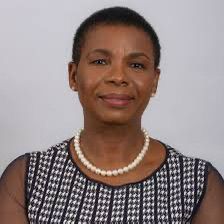
She is the Founder and Chief Executive Officer of Uweso Consulting, a specialist monitoring and evaluation consultancy established in 2004. Under her leadership, the company has grown into a respected firm providing strategic advisory, governance, research, planning, and performance management services within complex development and regulatory environments. Her leadership has been characterised by strong governance systems, stakeholder management expertise, and a commitment to accountability and measurable impact.
She is also a founding shareholder and Director of Genorah Resources, an emerging black-owned mining company that held significant equity in Nkwe Platinum. She played a central role in repositioning the company from a prospecting enterprise into a junior mining company and participated in negotiations surrounding a multi-billion-rand mining development transaction. Her work in this sector reflects strong expertise in capital mobilisation, investor relations, corporate affairs, and strategic deal management.
Her corporate governance credentials are extensive. She previously served as Company Secretary of Nkwe Platinum, where she acquired significant experience in board advisory, regulatory compliance, governance oversight, and ethical leadership. She currently serves on the boards of several rail and transport-related companies, including the Gibela Rail Transport Consortium, where she is Chairperson of the Human Resources and Remuneration Subcommittee. In this role, she provides strategic oversight on executive remuneration, succession planning, organisational performance, and human capital governance.
A passionate advocate for education and youth empowerment, she conceptualised and led the establishment of the TechnoGirl Programme through the TechnoGirl Trust in 2013. The initiative was designed to advance gender equality and expand economic opportunities for young women by encouraging participation in Science, Technology, Engineering, and Mathematics (STEM) careers. Through partnerships with government and the private sector, the programme has reached more than 38,000 girls and has received international recognition from UNICEF as an innovative model for gender empowerment and inclusive development.
Her professional journey began in education and public service. In 1995, she became one of the inaugural District Directors within the Gauteng Department of Education, contributing to the establishment and operationalisation of the Johannesburg North District. This role laid the foundation for her expertise in public administration, policy implementation, institutional accountability, and strategic planning. Prior to this, she served in educational training and children’s rights advocacy roles, including as Research and Campaigns Director of the National Children’s Rights Committee, where she coordinated research, policy advocacy, and partnerships with international agencies such as UNICEF.
Between 1998 and 2004, she served as Executive Manager of the MultiChoice Africa Foundation, leading strategic corporate social investment programmes focused on entrepreneurship development and social inclusion. During this period, she also participated in engagements relating to ICT sector B-BBEE policy development and represented corporate interests at various World Economic Forum platforms.
She possesses strong competencies in governance and ethics, strategic planning, stakeholder engagement, risk management, human resource governance, monitoring and evaluation, social research, policy development, and project management. She is respected for her independent judgment, ethical leadership, and ability to contribute strategic direction within highly regulated and complex institutional environments.
Her academic qualifications include an MPhil in Monitoring and Evaluation and a Postgraduate Diploma in Monitoring and Evaluation from the Stellenbosch University, a Master of Education from the University of the Witwatersrand, a Bachelor of Education from the University of KwaZulu-Natal, and a Bachelor of Pedagogy from the University of Limpopo. She has also completed executive courses in project management, governance ethics, and financial insights for non-financial directors through the Institute of Directors in Southern Africa.
Throughout her career, she has consistently demonstrated visionary leadership, institution-building capability, and a commitment to transformation, empowerment, and sustainable development in South Africa and beyond.
Makgaija Bonifasius Phokanoka
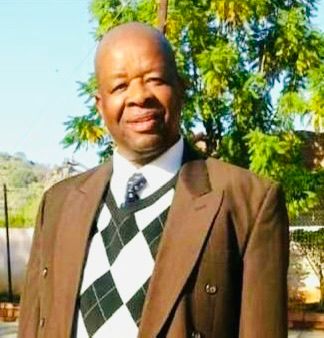
Makgaija Bonifasius Phokanoka is a respected retired educator and community leader whose life has been dedicated to the advancement of education and community development in Limpopo. Born on 6 July 1946, Phokanoka devoted more than three decades of his professional life to shaping young minds and building strong educational foundations in rural communities.
His teaching career began in 1969 at Mashishi Primary School, where he laid the groundwork for a lifelong commitment to education. In 1970, he joined Mampuru Thulare Primary School, where he served with distinction for fourteen years. His leadership abilities and dedication to academic excellence led to his appointment as Principal of Matleu Primary School in 1985, a position he held until his retirement in 2001. Throughout his career, he earned a reputation as a disciplined, caring and community-oriented educator who inspired both learners and colleagues.
Phokanoka’s academic journey reflects his determination and commitment to lifelong learning. He obtained his Higher Primary Teachers Certificate (HPTC) in 1968 and later furthered his studies by completing Grade 12 through self-study in 1984. He subsequently earned a Senior Education Certificate in 1986, demonstrating his belief in continuous personal and professional development.
Beyond the classroom, Phokanoka has made significant contributions to community service and democratic governance. He served as an Area Manager for the Independent Electoral Commission (IEC), overseeing operations across five voting stations. In this role, he played an important part in strengthening electoral processes and promoting citizen participation in South Africa’s democracy.
Throughout his career and community engagements, Phokanoka developed strong interpersonal and leadership skills. He is known for his ability to work effectively with people, resolve challenges through consultation and teamwork, provide guidance to families facing difficulties, and mentor newly appointed professionals in their respective roles.
A family man, husband, and respected elder, Phokanoka’s legacy is one of service, integrity and dedication. His contributions to education, community development and democratic participation continue to inspire those who have had the privilege of working with him and learning from his example. His life stands as a testament to the transformative power of education, perseverance and servant leadership.